
Master Balanced Nutrition, Transform Your Eating Habits, Achieve Wellness Daily
We provide practical, evidence-based nutrition advice to help you develop sustainable eating habits that support your health goals and improve your overall well-being.
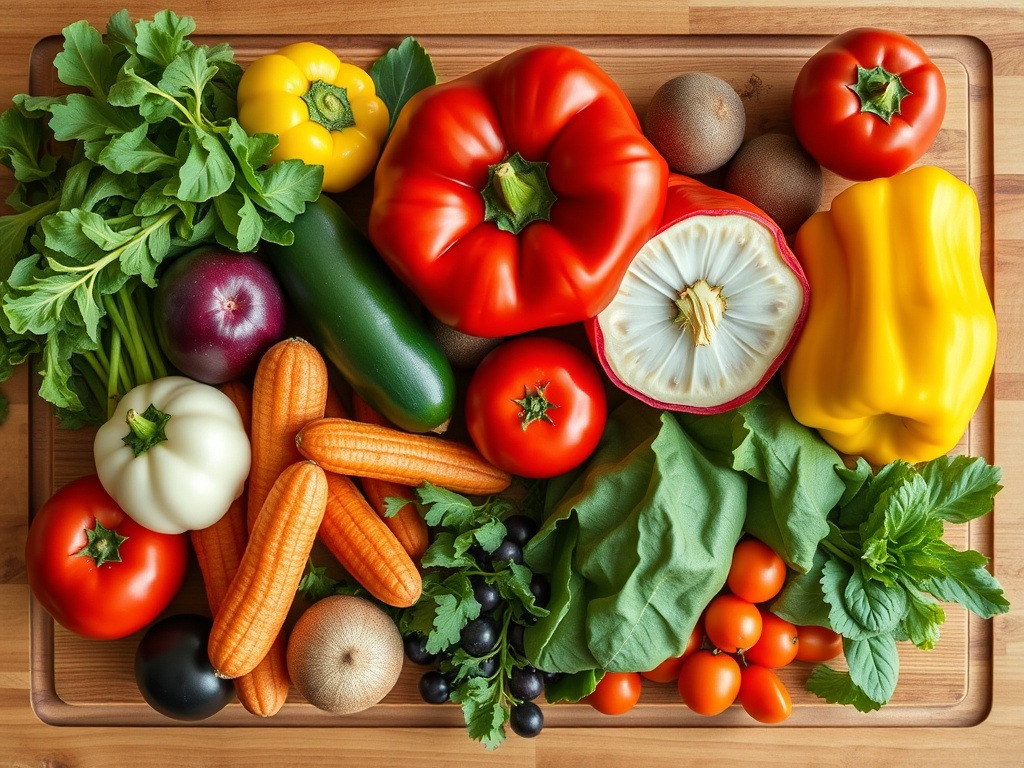

Expert Nutrition Tips
Practical Nutrition Advice for Healthier Eating Habits
Meal Planning Basics
Learn how to structure your meals effectively, balance macronutrients properly, and create sustainable eating patterns that fit your lifestyle.
Balanced Diet Strategy
Understand the principles of balanced nutrition, including proper portions, food groups, and daily nutrient requirements for optimal health.
Healthy Food Choices
Discover which foods provide maximum nutrition, how to read labels, and make informed decisions about what you eat every single day.
Nutrition Education
Gain knowledge about vitamins, minerals, proteins, and carbohydrates to understand how your body uses nutrients for energy and wellness.
Mindful Eating Habits
Develop awareness around eating, learn to recognize hunger cues, reduce emotional eating, and enjoy your meals with greater satisfaction.
Dietary Adjustments
Adapt your nutrition for different life stages, goals, and dietary preferences while maintaining health and meeting nutritional needs.
Wellness Nutrition
Explore how nutrition supports energy levels, mental clarity, immune function, and long-term disease prevention for total wellness.
Grocery Shopping Guide
Master smart shopping strategies, learn which products offer best nutrition value, and avoid processed items that undermine your health.
Healthy Cooking Tips
Find practical cooking methods that preserve nutrients, reduce unhealthy fats, and help you prepare delicious meals at home easily.
Lifestyle Integration
Learn how to blend healthy eating into your busy schedule, manage social situations, and maintain consistency with your nutrition goals.
Nutrition Consultation
Get personalized guidance addressing your specific health concerns, dietary needs, and goals from our experienced nutrition advisors.
Habit Formation Guide
Understand the psychology behind eating habits, develop sustainable changes, and overcome obstacles that prevent healthy nutrition success.
FAQs
Common Nutrition Questions Answered
How do I balance macronutrients correctly in my daily meals for optimal nutrition and sustained energy throughout my day?
Balancing macronutrients means distributing carbohydrates, proteins, and fats appropriately for your body's needs. Most people benefit from roughly fifty percent carbs, twenty-five percent protein, and twenty-five percent healthy fats, though individual needs vary. Focus on whole grains, lean proteins, and unsaturated fats. This approach supports sustained energy, maintains muscle health, and promotes satiety. Adjust ratios based on your activity level and personal goals.
What are the most important vitamins and minerals my body needs from food sources?
Essential nutrients include Vitamin D for bone health, Vitamin B12 for energy, Iron for oxygen transport, Calcium for skeletal strength, Magnesium for muscle function, and Potassium for heart health. Vitamin C supports immune function, Omega-3 fatty acids benefit brain and heart health, and Fiber promotes digestive wellness. Eating diverse, colorful foods ensures comprehensive nutrient coverage. Whole fruits, vegetables, legumes, nuts, seeds, and lean proteins provide these nutrients naturally.
How can I develop healthier eating habits without restrictive dieting or feeling deprived?
Sustainable change comes from gradual modifications rather than extreme restrictions. Start by adding nutritious foods instead of eliminating favorites. Practice mindful eating, chew slowly, and recognize satiety signals. Prepare meals at home where you control ingredients and portions. Allow occasional treats while emphasizing nutritious choices. Focus on how foods make you feel rather than rigid rules. Build habits slowly, celebrate small wins, and remember that perfection isn't the goal.
Which healthy snacks support weight management and stable blood sugar throughout the day?
Choose snacks combining protein and fiber for sustained energy and appetite control. Excellent options include Greek yogurt with berries, nuts with fruit, hummus with vegetables, whole grain crackers with cheese, or hard-boiled eggs. Avoid processed snacks high in sugar and refined carbohydrates that cause energy crashes. Portion snacks appropriately, around one hundred to one hundred fifty calories. Stay hydrated with water, as thirst often mimics hunger.

Discover Your Path to Better Nutrition Today
Start your journey toward healthier eating habits with our practical, personalized nutrition guidance and evidence-based advice.