
Help
Have Questions About Nutrition? Find Answers Here

What is balanced nutrition?
Balanced nutrition means consuming the right mix of proteins, carbohydrates, fats, vitamins, and minerals your body needs daily. It's not about restriction or eliminating foods—it's about making informed choices that fuel your energy, support your immune system, and promote long-term wellness. Understanding proper portions and food groups helps you build sustainable eating habits that work for your lifestyle. When you nourish your body consistently with whole foods, you'll notice improvements in how you feel, your energy levels, and overall health.
Why does nutrition balance matter?
Poor nutrition habits can lead to fatigue, weakened immunity, weight fluctuations, and chronic health issues. When your body receives adequate nutrients, it functions optimally—your metabolism improves, mental clarity sharpens, and you feel more energized throughout the day. Balanced eating establishes the foundation for preventing diseases and maintaining a healthy weight naturally. Making gradual adjustments to your diet creates lasting results that support both your physical and mental wellness without requiring extreme lifestyle changes.
What are the essential nutrients your body needs daily?
Your body requires macronutrients like protein, healthy fats, and whole grains, plus micronutrients including vitamins and minerals. Proteins build and repair tissues, carbohydrates provide energy, and fats support hormone production and nutrient absorption. Vitamins and minerals regulate bodily functions from bone health to immune response. Each nutrient plays a specific role, so eating a variety of colorful fruits, vegetables, lean meats, and whole foods ensures you cover all your nutritional bases. Deficiencies in any area can affect your health, making dietary diversity absolutely critical.
How can I plan meals for better nutrition?
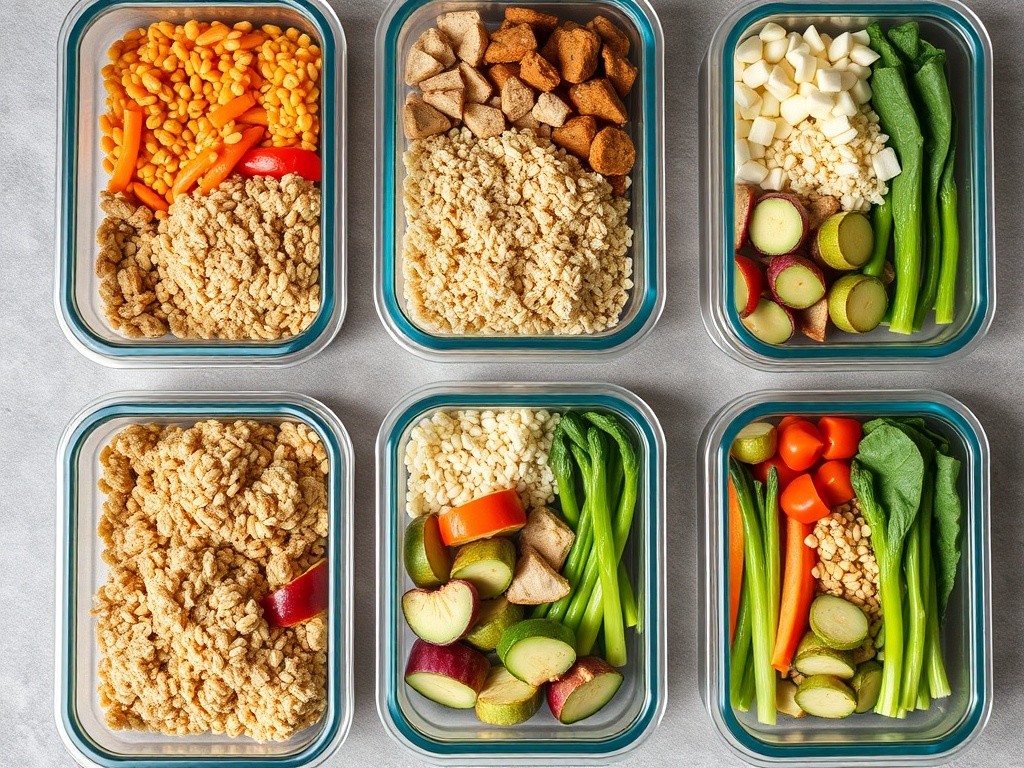
Meal planning removes guesswork and prevents impulsive unhealthy choices when hunger strikes. Start by setting weekly menus that include varied proteins, whole grains, and plenty of produce. Prep ingredients on weekends to make cooking easier during busy weekdays. Use balanced plate method—fill half your plate with vegetables, one quarter with lean protein, and one quarter with whole grains. Keep healthy snacks accessible like nuts, yogurt, and fresh fruit. Planning ahead saves time, money, and helps you stay consistent with nutritious eating throughout the week.
What role do whole foods play in nutrition?
Whole foods are minimally processed and packed with natural nutrients, fiber, and beneficial compounds that your body easily recognizes and uses efficiently. Unlike processed foods laden with added sugars and unhealthy fats, whole foods provide sustained energy and keep you satisfied longer. Choosing whole grains, fresh produce, legumes, and unprocessed meats reduces inflammation and supports stable blood sugar levels. Whole foods also contain antioxidants that protect your cells and boost immunity. Making whole foods your dietary foundation creates the most significant impact on your long-term health outcomes.
How do I build sustainable eating habits?
Sustainable habits develop gradually through small, manageable changes rather than drastic overhauls that rarely last. Start by swapping one unhealthy item for a nutritious alternative each week—replace sugary drinks with water, add an extra vegetable to dinner, or choose whole grain bread. Build your changes around foods you genuinely enjoy so healthy eating feels rewarding, not restrictive. Track your progress, celebrate wins, and be patient with yourself during adjustment periods. When nutrition becomes a normal part of your routine rather than a chore, you'll maintain these habits effortlessly for life.
Customize these guidelines based on your personal health needs and goals

What is mindful eating practice?
Mindful eating means paying full attention to the eating experience—noticing flavors, textures, and hunger cues instead of eating on autopilot or emotionally. It helps you recognize true hunger versus boredom or stress-based eating, naturally reducing overconsumption. By eating slowly and without distractions, you allow your brain to register fullness signals properly. This practice also improves digestion and increases satisfaction from smaller portions. Mindful eating combines nutrition knowledge with awareness, creating a healthier relationship with food that supports both physical health and emotional wellbeing.
Why is hydration important for health?
Water is essential for every body function—it regulates temperature, transports nutrients, removes waste, cushions joints, and maintains healthy skin. Most people drink insufficient water daily, leading to fatigue, poor concentration, and sluggish metabolism. Your hydration needs vary based on activity level, climate, and individual factors, but a helpful guideline is drinking enough that your urine appears light colored. Proper hydration improves energy, supports workout performance, enhances cognitive function, and aids digestion. Making water your primary beverage choice automatically improves your overall nutrition and wellness.
What are common nutrition mistakes people make regularly?
People often skip meals thinking it helps weight loss, but this actually slows metabolism and leads to overeating later. Others rely too heavily on low-fat foods that contain added sugars, or ignore portion sizes of healthy foods. Many don't drink enough water, confusing thirst with hunger and eating unnecessarily. Some eliminate entire food groups unnecessarily, creating nutritional gaps and unsustainable restrictions. Eating too quickly prevents satiety signals, causing overconsumption. Understanding these common pitfalls helps you avoid them and make choices aligned with your health goals and nutritional needs.
How should I handle cravings and treats?
Complete restriction typically backfires, creating obsessive cravings and eventual binges that derail progress. Instead, include small portions of treats within a balanced diet—this removes the forbidden fruit psychology and builds moderation skills. Choose higher-quality versions of your favorite treats so smaller amounts satisfy you more. Plan when you'll enjoy these foods rather than eating them impulsively. Most importantly, ensure your base diet contains adequate nutrients and fiber so genuine cravings decrease naturally. This balanced approach prevents deprivation while keeping you on track toward your health goals.
What is the importance of food labels?
Food labels provide crucial information about ingredients, portion sizes, calories, and nutrient content that guide informed purchasing decisions. Understanding labels helps you identify added sugars, unhealthy fats, and sodium levels that might be hidden in seemingly healthy products. Comparing similar products side-by-side reveals which options offer better nutrition per serving. Learn to read ingredient lists—items are listed by weight, so problematic ingredients near the top should concern you. Using label information empowers you to make choices aligned with your nutritional goals rather than relying on marketing claims.
How can I eat healthier on a budget?
Nutritious eating doesn't require expensive specialty foods—dried beans, lentils, seasonal produce, frozen vegetables, and eggs provide excellent nutrition at low cost. Buy whole foods rather than pre-packaged items, which cost more and contain additives. Shopping sales and buying in bulk reduces expenses significantly. Seasonal produce offers peak nutrition at lower prices than out-of-season items. Meal planning prevents food waste and impulse purchases that drain budgets. Cooking at home instead of eating out saves substantial money while giving you control over ingredients. Smart shopping and planning make healthy nutrition accessible regardless of income level.

Get your personalized nutrition assessment
We provide practical guidance for healthier eating habits